5 hr
Vancouver Whale & Wildlife Watching Adventure
Hunt for orcas and humpbacks aboard a luxury catamaran departing from Granville Island
Reserve
Hand-picked by our editors — only the best 5 whale-watching experiences from 18 reviewed.
Verified partners for every tour, free cancellation where available, and instant confirmation on every booking.
5 hr
Hunt for orcas and humpbacks aboard a luxury catamaran departing from Granville Island
Reserve
3 hr 30 min
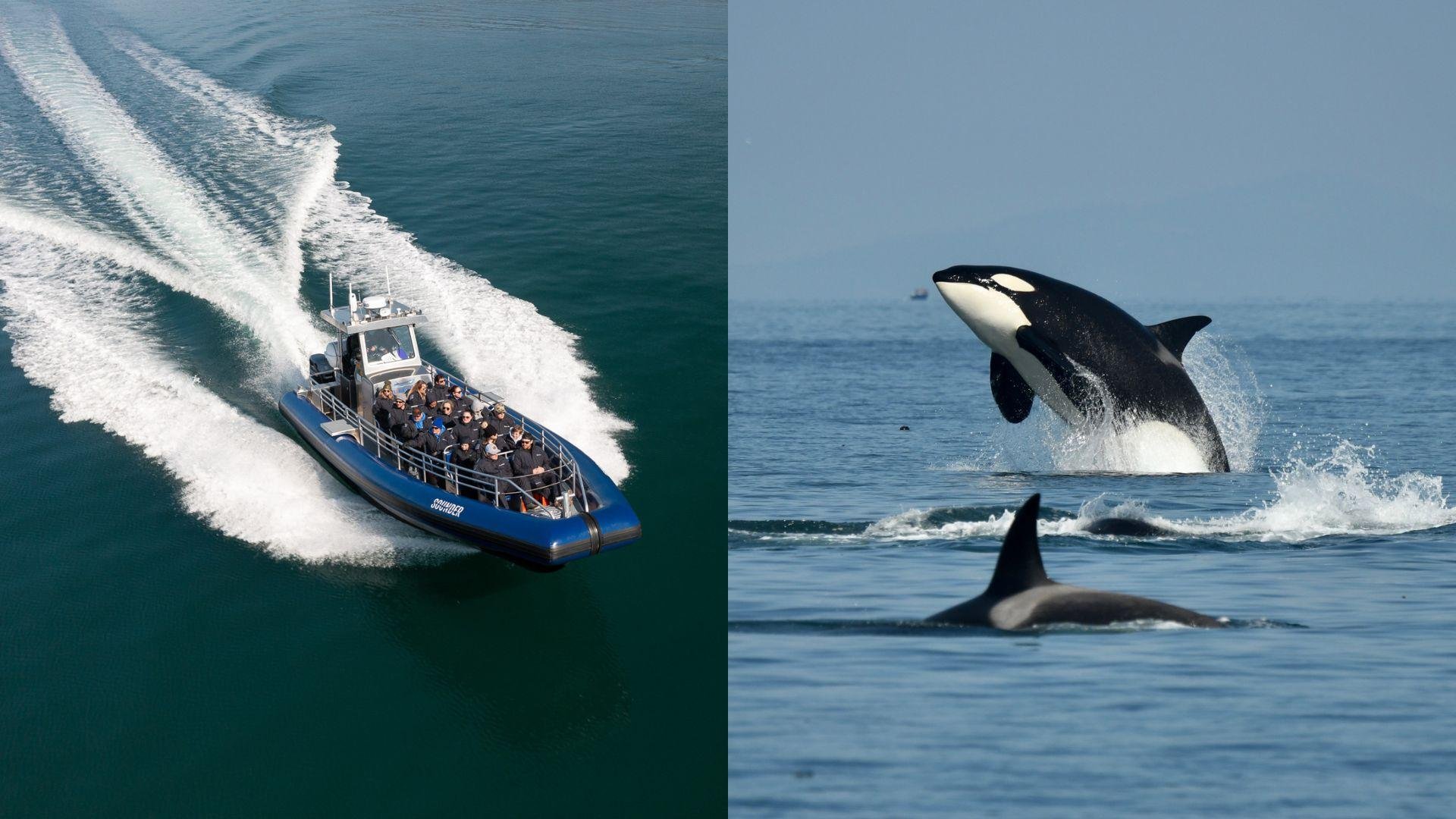
High-speed zodiac tour searching for orcas, humpbacks, and wildlife across the Salish Sea
Reserve
4 hr
High-speed boat expedition through the San Juan Islands hunting for killer whales in the Salish Sea
ReservePrices from verified partners. Availability updates in real time at checkout. Free cancellation policies apply where shown.
The landmarks, rooms, and views travelers on this tour remember — all visible on a single visit.
The central hub for most Orcas Island whale watching tours and boat traffic
Orca Pod Observation
Harbor Seal Colonies
Bald Eagle Nests
Marine Research Center
They complement each other; most visitors who do both call the San Juan island whale watching tour more thrilling for deep-water tracking while Deer Harbor offers superior convenience. Choosing between orcas island whale watching tours or the alternative depends on whether you prioritize open-ocean access or local marina accessibility.
| Feature | Top pick Orcas Island | San Juan Island |
|---|---|---|
Departure Location |
Deer Harbor Marina | Friday Harbor |
Whale Sighting Proximity |
High via Rosario Strait | High near Lime Kiln |
Boat Type Variety |
Zodiac and cabin cruisers | Large vessels and rafts |
Travel Logistics |
Direct island access | Requires ferry connection |
Tour Frequency |
Multiple daily departures | High volume of departures |
Booking Requirements |
Orcas island whale watching tours tickets | San Juan island whale watching tours tour |
| See tickets → |
Verdict: Those seeking a remote departure experience will find orcas island whale watching tours tours ideal, whereas travelers favoring high-frequency marine wildlife excursions should select the San Juan Island option.
Choose your ticket, select your date, and reserve in under two minutes. Secure checkout handled by our verified partner.
Instant confirmation by email, with a mobile voucher you can save offline. No printing, no queuing at a collection desk.
Arrive at the entrance, show your voucher on your phone, and walk in. Most tickets include priority or skip-the-line access.
Practical details for your visit straight from our verified partners — hours, access, rules, and how to get there.
Deer Harbor Marina, Orcas Island, WA 98243
Check in at the designated operator kiosk
Follow Horseshoe Highway to reach the marina; limited parking available on-site.
Wear warm, windproof layers even in summer, as temperatures are significantly lower on the water. Non-slip, rubber-soled shoes are required for safety on vessel decks.
Keep bags compact and waterproof to protect items from sea spray. Security checks may occur at the Deer Harbor Marina dock.
Photography is encouraged, but ensure your gear is secured with a strap. Use a waterproof housing or dry bag for cameras to prevent salt damage.
Vessel accessibility varies by boat size and tide level at Deer Harbor Marina. Please call 1-888-468-3701 to confirm if your selected tour can accommodate mobility devices.
Mobile service is inconsistent on the water, so download any digital boarding passes before arriving at the marina. Keep devices in waterproof cases.
Orcas Island whale watching tours are suitable for children, but life vests must be worn at all times. Check age requirements for high-speed zodiac tours.
Most tours permit water and light snacks, but check if your specific operator provides refreshments. Consumption of alcohol is prohibited on all vessels.
Pets are generally not permitted on whale watching vessels due to safety and wildlife protection regulations. Service animals must be cleared with the operator in advance.
Orcas Island whale watching tours adhere to strict whale-watching guidelines to protect marine life. Maintain a respectful distance from all marine mammals as mandated by federal law.
Deer Harbor Marina, Orcas Island, WA 98243
Check in at the designated operator kiosk
Get directionsBest time to go, insider tips, nearby landmarks, and the cancellation fine print — flip through to skim what matters to you.
How crowds, weather, and events shift across the year.
Migratory wildlife begin appearing; weather is mild and crowds are manageable.
Peak season for orca sightings; optimal 08:00–17:00 light for photography.
Fewer crowds and calmer waters; frequent sightings of transient orcas.
Limited tour operations; primarily scheduled for dedicated wildlife research.
Small details that turn a good visit into a great one.
Orcas Island whale watching tours sell out quickly during the summer peak season. Secure your spot at least two weeks before your visit.
Ocean breezes remain cool regardless of the sun. Dressing in multiple layers ensures comfort throughout the trip.
Non-bookable sights within a short walk — free to visit, easy to pair.
Coastal hiking trails with panoramic island views.
Flexible, no hidden fees.
Most Orcas Island whale watching tours require cancellation at least 48 hours in advance for a full refund. Operators may charge a fee for late cancellations or no-shows.
Hand-picked options within walking distance — pick a district for vibe, or a specific hotel for convenience.
Historic lodge overlooking the marina area.
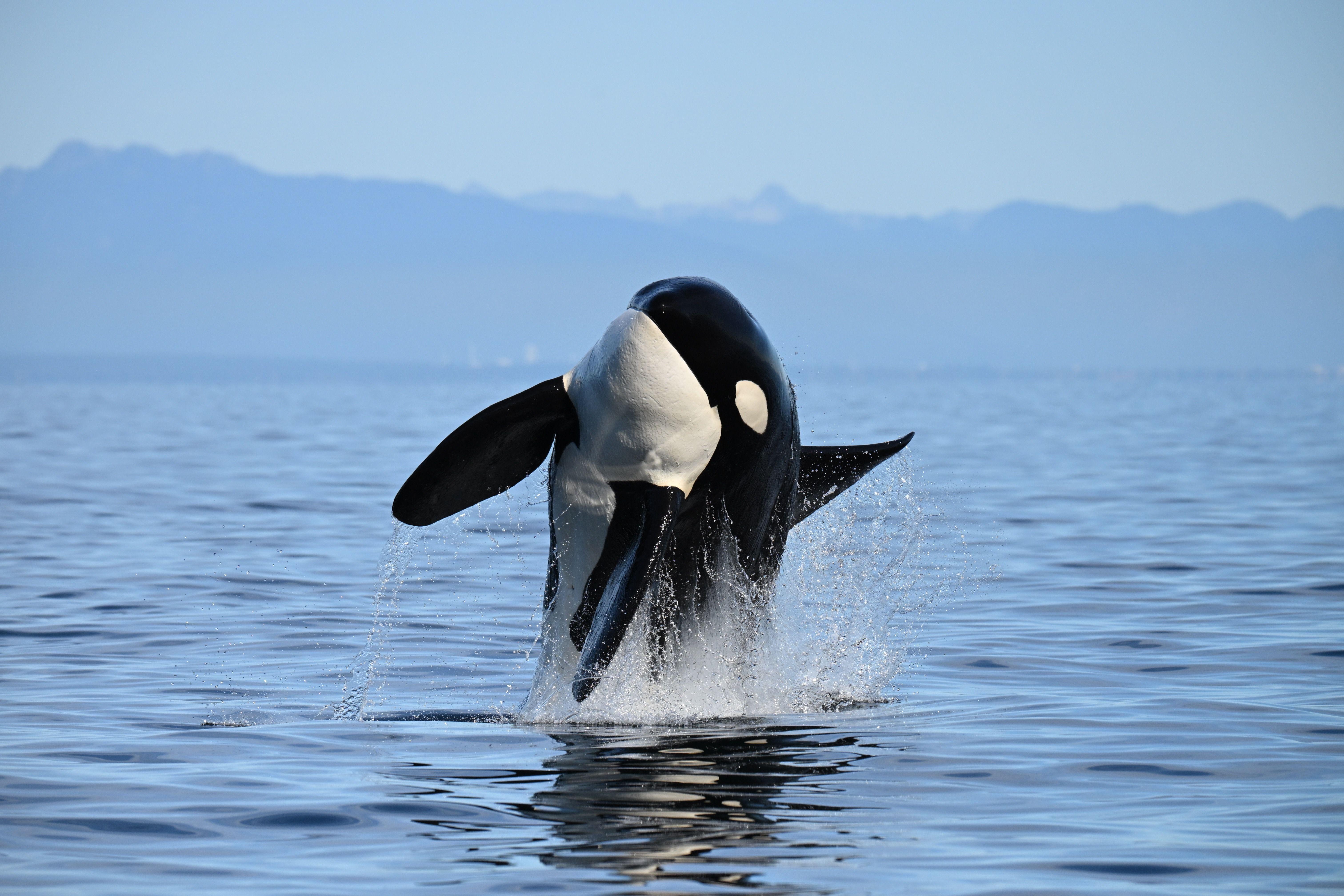
The San Juan archipelago sits at the confluence of three major marine corridors — Haro Strait, Rosario Strait, and the Strait of Georgia — creating one of North America's most reliable orca habitats. Three resident pods, designated J, K, and L, return seasonally to feed on chinook salmon runs that funnel through the narrow channels between Orcas, San Juan, and Lopez islands. Marine biologists have catalogued individual whales within these pods since the 1970s, tracking matrilines across five decades and establishing the region as a living laboratory for cetacean research. Orcas island whale watching tours depart year-round from Deer Harbor Marina on the island's western shore, a sheltered embarkment point that cuts travel time to prime whale zones by fifteen to twenty minutes compared to mainland ports. Operators run high-speed Zodiacs and rigid-hull inflatables designed for the open water of the Salish Sea, where weather shifts without warning and tidal currents exceed three knots. Naturalist guides — many holding graduate degrees in marine ecology — narrate sightings in real time, pointing out dorsal fin shapes, saddle-patch patterns, and surfacing intervals that distinguish transient Bigg's orcas from the salmon-eating residents. On-board hydrophones let passengers listen to echolocation clicks and social calls, sounds that carry for miles underwater but remain inaudible above the surface. Beyond orcas, the tour corridor supports humpback whales, minke whales, Dall's porpoises, harbor seals, Steller sea lions, and bald eagles. Humpbacks, absent from these waters for decades due to commercial whaling, have returned in growing numbers since 2010; sightings now occur on more than sixty percent of summer departures. The underwater topography — submerged ridges, upwelling zones, and kelp forests — concentrates prey species and creates predictable feeding grounds. Lime Kiln Point on San Juan Island functions as a research station and public overlook where scientists monitor whale movements using land-based theodolites and passive acoustic arrays. Departures run daily from eight in the morning until six in the evening, with morning and early afternoon trips offering the best light for photography and the calmest sea conditions. Most excursions last three to four hours, covering thirty to fifty nautical miles depending on where whales are sighted. Radio networks connect all licensed operators, allowing real-time coordination that respects federal approach distances — two hundred yards for orcas, four hundred yards when calves are present — while maximizing encounter opportunities for passengers.
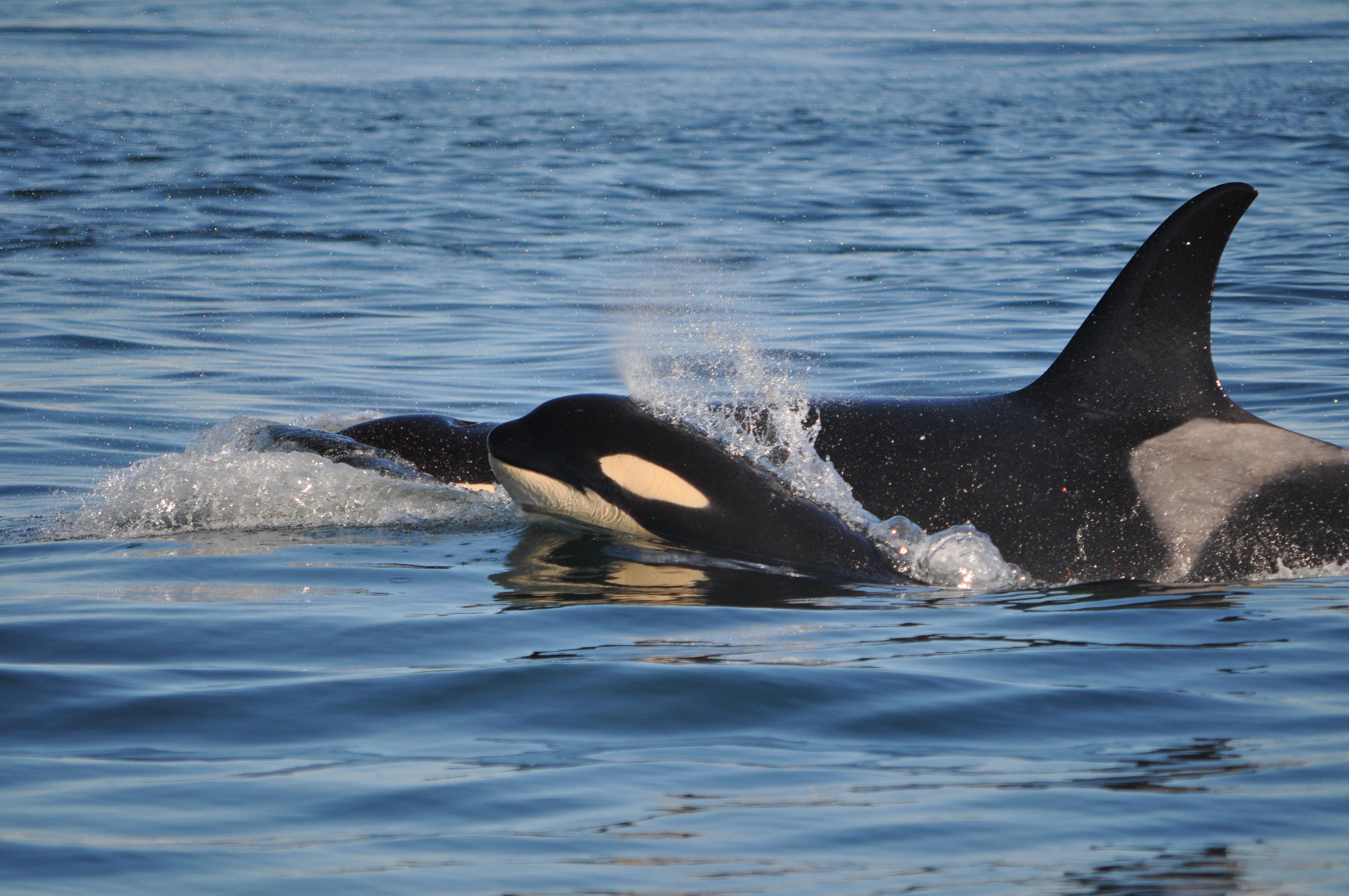
"Three resident orca pods return seasonally to feed on chinook salmon runs that funnel through the narrow channels between the islands."
A step-by-step walkthrough of the visit — what you'll see, how long each stage takes, and the details that matter.
You board at Deer Harbor Marina an hour before departure, where crew members fit you with a flotation suit — neoprene-lined and windproof, essential once the boat reaches open water. The zodiac seats twelve, with staggered benches that let every passenger see forward. Your naturalist guide briefs the group on federal wildlife regulations and points to a laminated chart showing dorsal fin silhouettes of the thirty-six whales currently active in J pod. The boat clears the harbor and accelerates west into President Channel, spray arcing over the bow as the hull skips across two-foot chop. You scan the horizon for blows — the vertical mist plumes that mark a surfacing whale. Twenty minutes out, the radio crackles: K pod sighted near Turn Point, moving south. The captain throttles back and the zodiac drifts. You wait in silence. A dorsal fin breaks the surface sixty yards ahead, then a second, then five more. The orcas surface in synchronized intervals, their blows audible as sharp exhalations. One cow spy-hops — rising vertically to scan above the waterline — and you lock eyes for three seconds before she slips back under. The hydrophone speaker hisses with clicks and whistles, a conversation you can hear but not decode. The pod moves past in formation, heading toward the kelp beds off Henry Island, and the zodiac holds position until the last dorsal fin disappears.
Orcas Island whale watching tours operate from 08:00–18:00 daily.
Entry to the marina is 0 USD; tours are priced per operator.
The best arrival window is 08:00–17:00 for optimal viewing conditions.
Yes, children are welcome on most tours provided they wear safety vests.
Yes, light snacks and water are generally permitted on Orcas Island whale watching tours.
You can drive to Deer Harbor Marina via the Horseshoe Highway on Orcas Island.
Tours may be rescheduled or refunded if conditions are unsafe; contact your operator.
Photography is allowed, though we recommend using a strap to secure your camera.
Yes, several lodges and inns are located near the marina in the Deer Harbor area.
Cancellations are subject to individual operator policies, typically requiring 48 hours notice.