5 hr
Vancouver Whale & Wildlife Watching Adventure
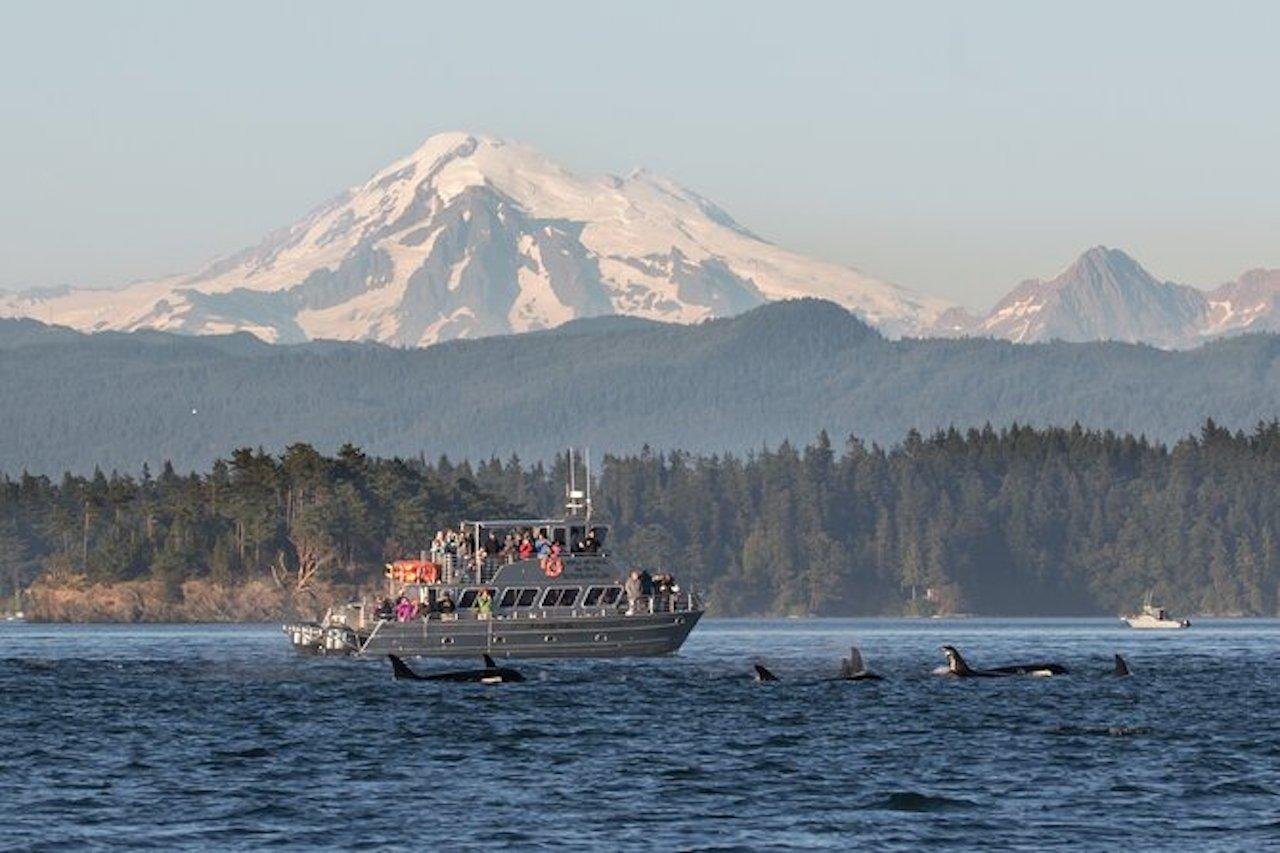
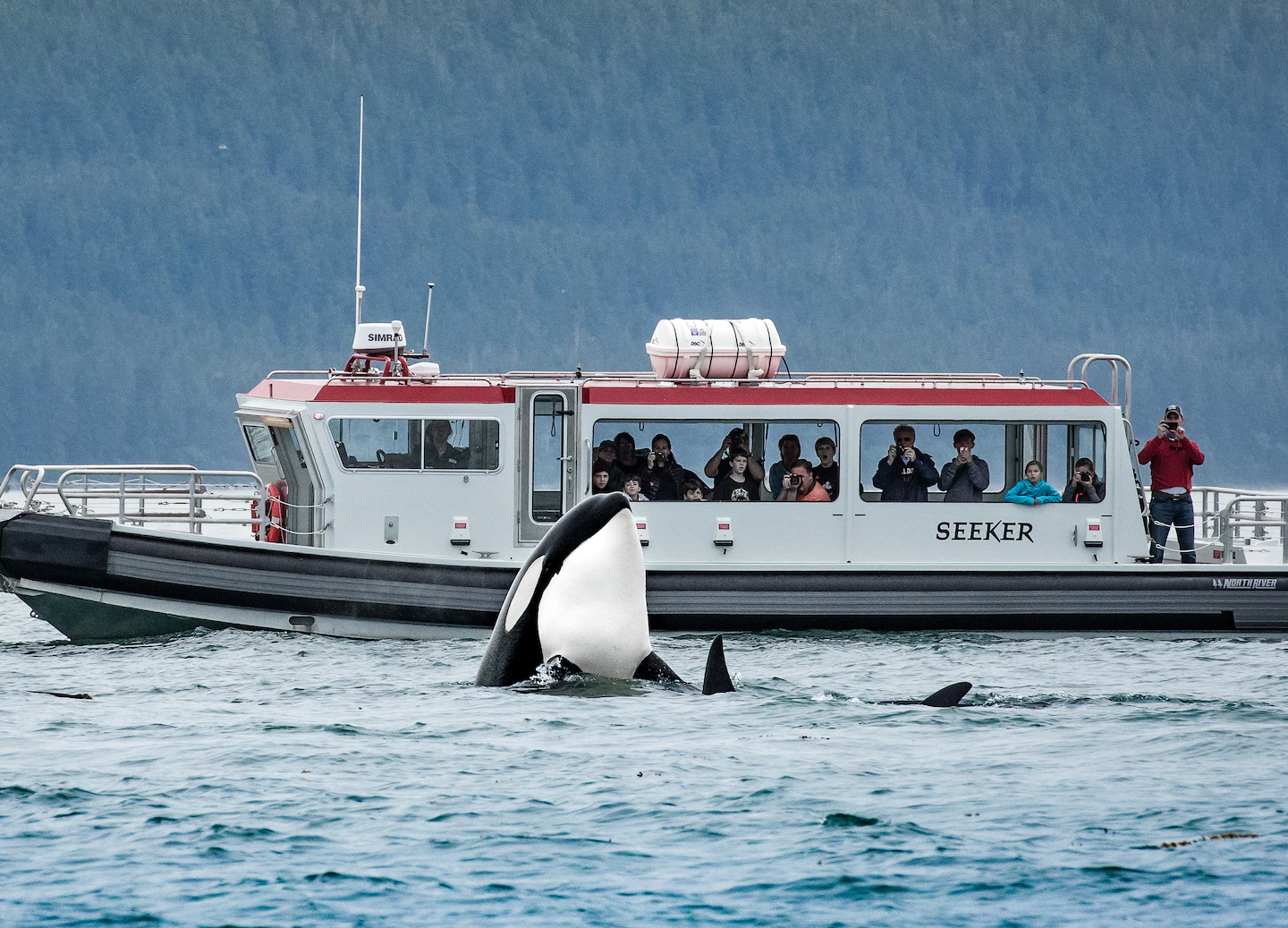
Spot orcas, humpbacks, and marine life aboard a luxury catamaran with complimentary photos
Reserve
Resident orca pods in Haro Strait, daily departures from Rosario Harbor
Hand-picked by our editors — only the best 12 whale watching experiences from 47 reviewed.
Verified partners for Orcas Island Whale Watching tours, free cancellation where available, and instant confirmation on every booking.
5 hr
Spot orcas, humpbacks, and marine life aboard a luxury catamaran with complimentary photos
Reserve
3 hr 30 min
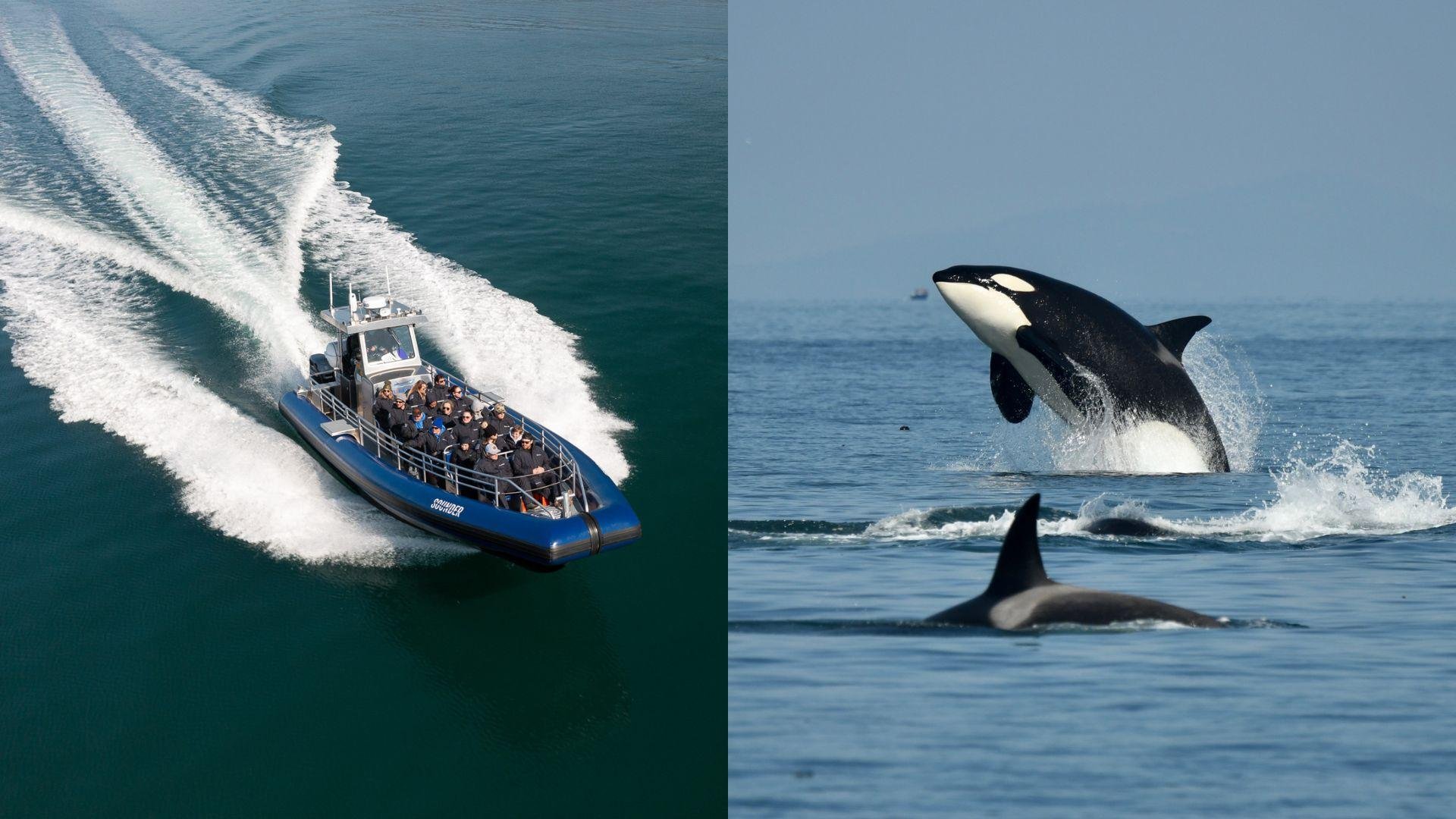
Fast-paced wildlife expedition through the San Juan Islands aboard an open-air zodiac boat
Reserve
3 hr 30 min
High-speed chase across the Salish Sea hunting orcas, humpbacks, and gray whales with expert naturalists
ReservePrices from verified partners. Availability updates in real time at checkout. Free cancellation policies apply where shown.
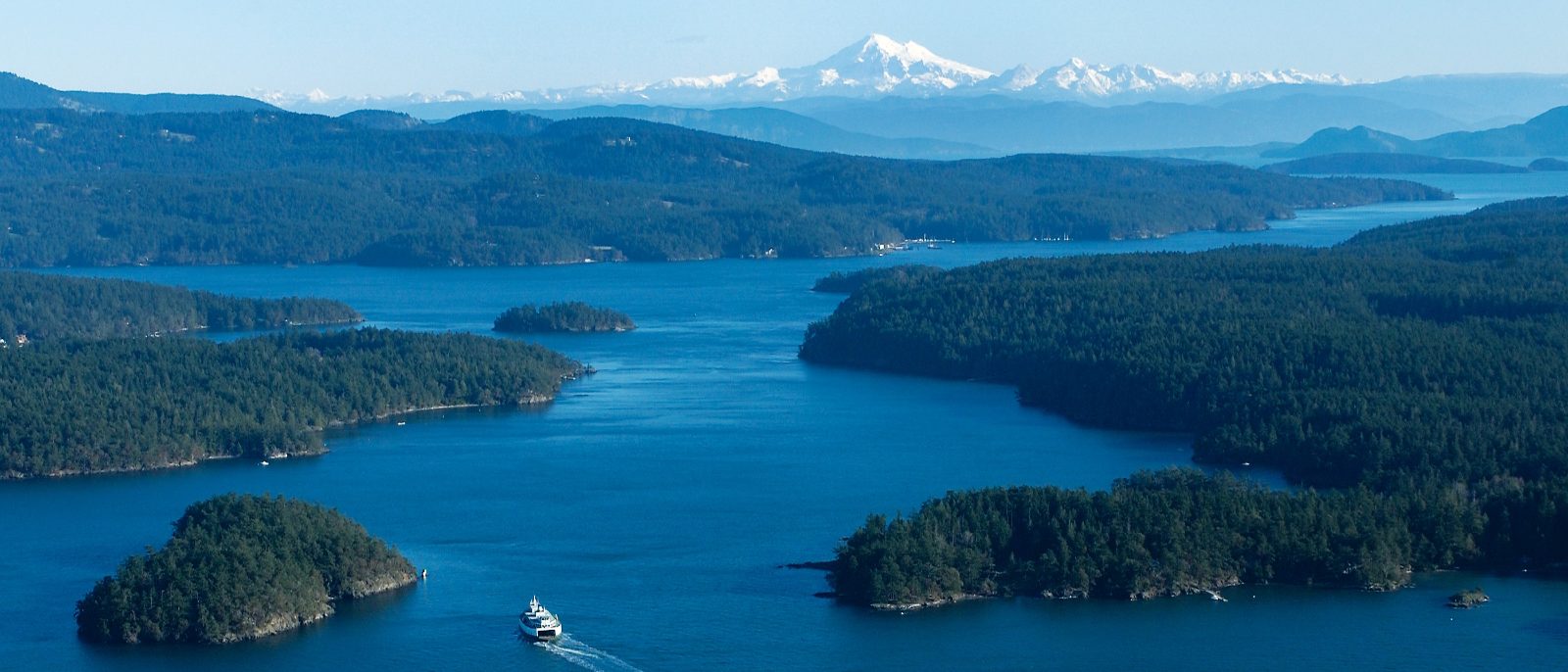
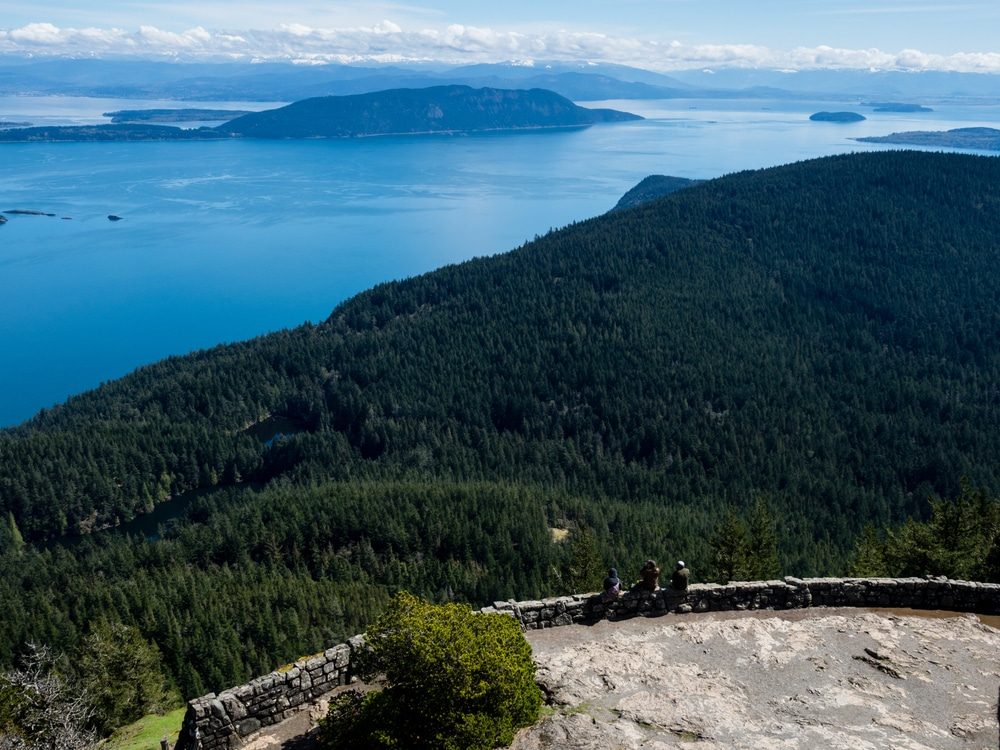
The landmarks, rooms, and views travelers on Orcas Island Whale Watching tours remember — all visible on a single visit.
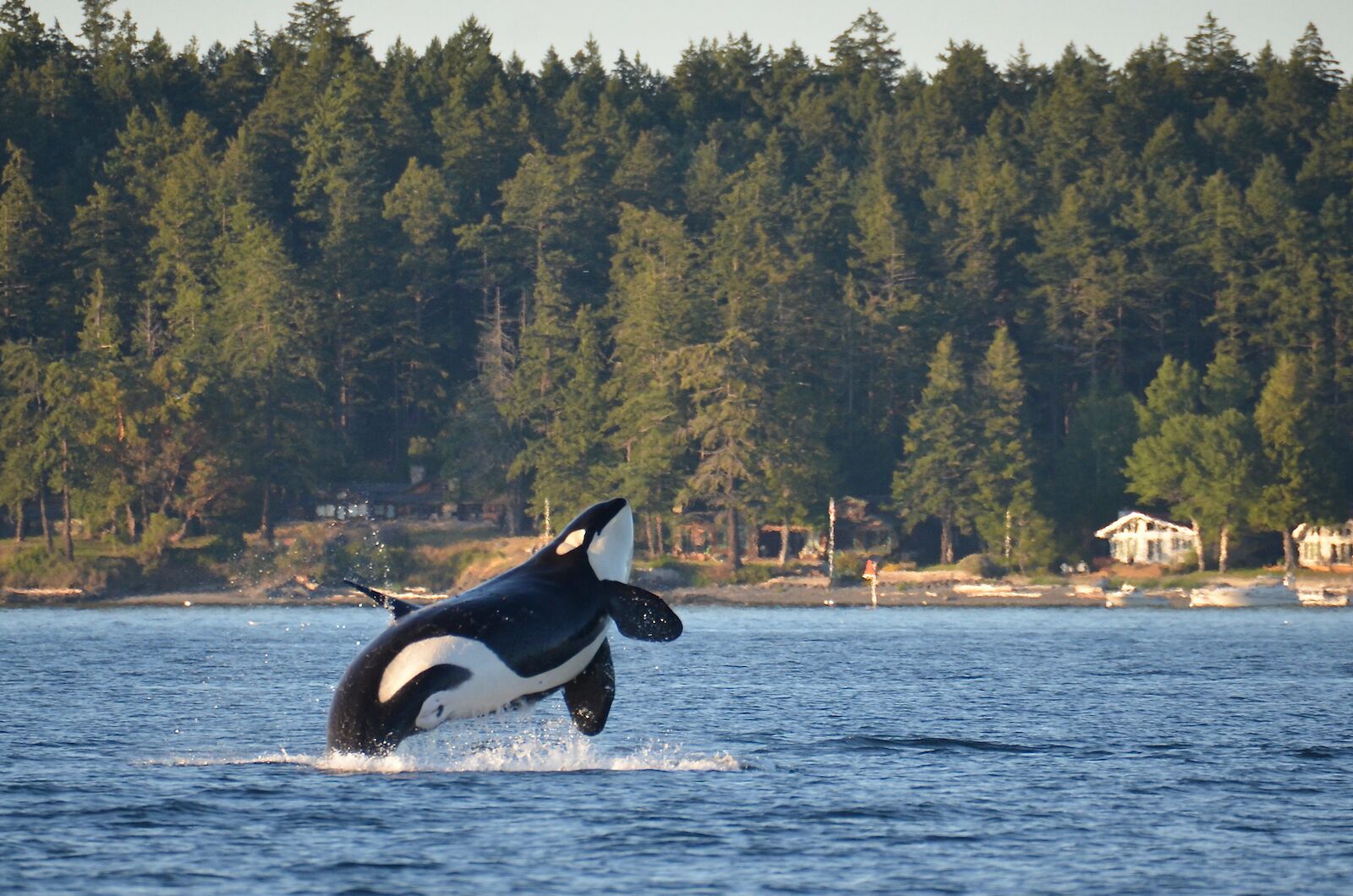
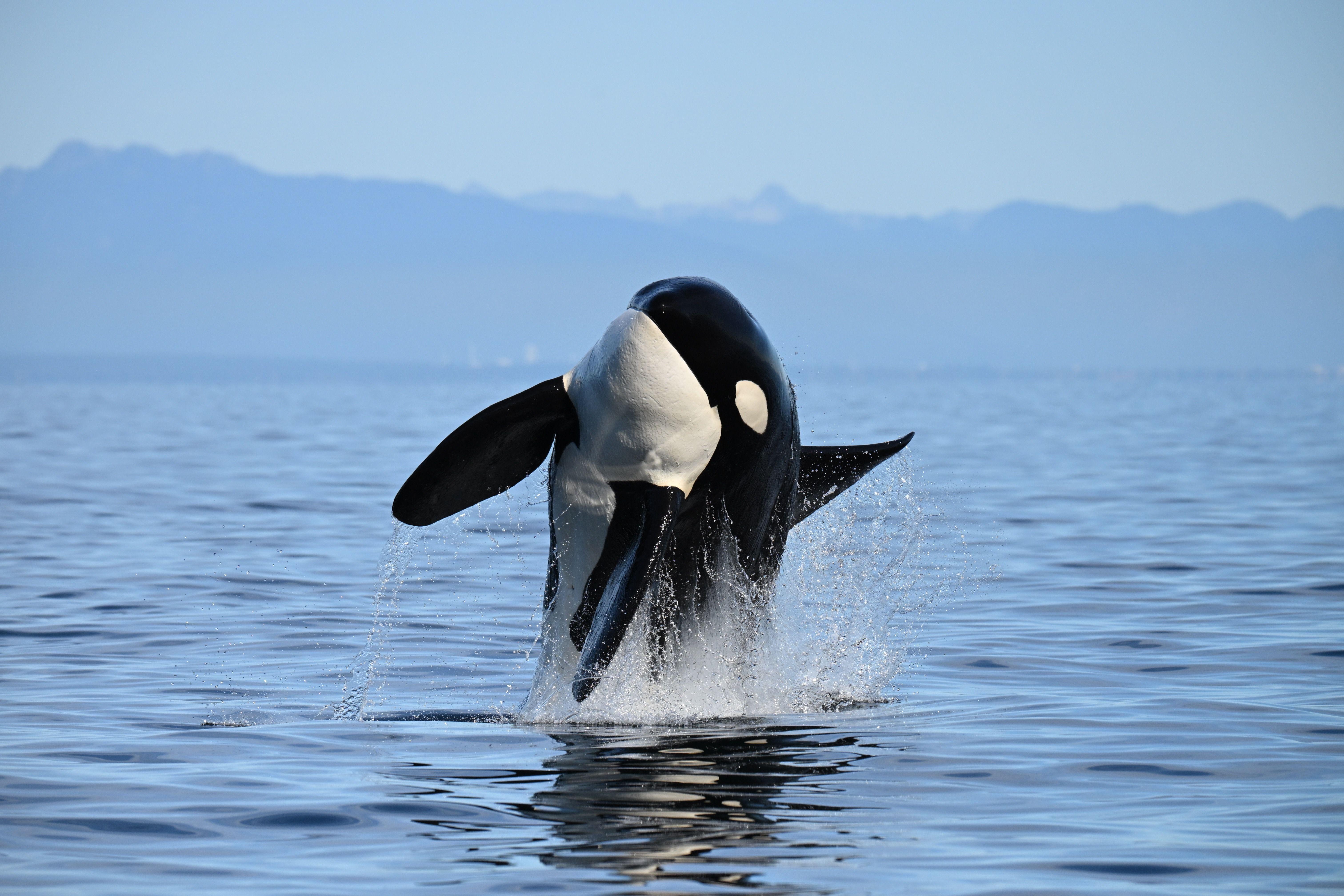
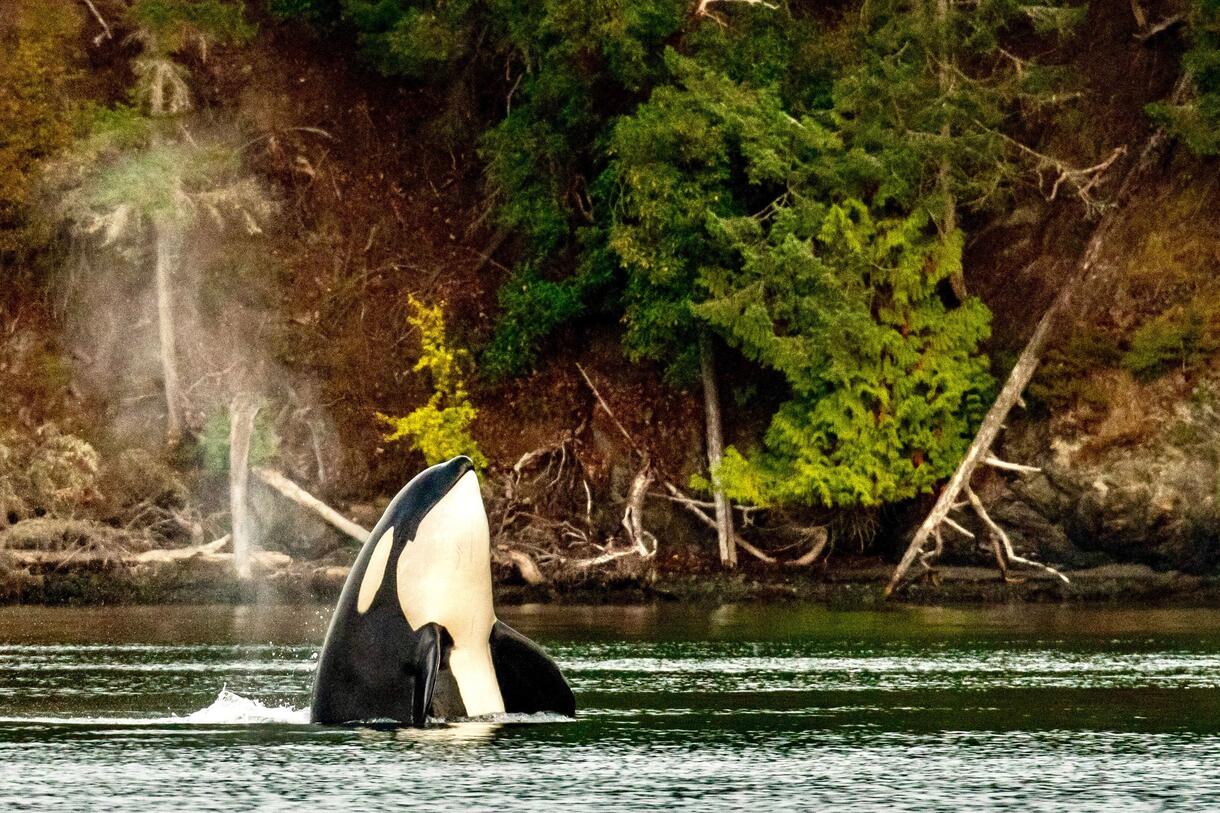
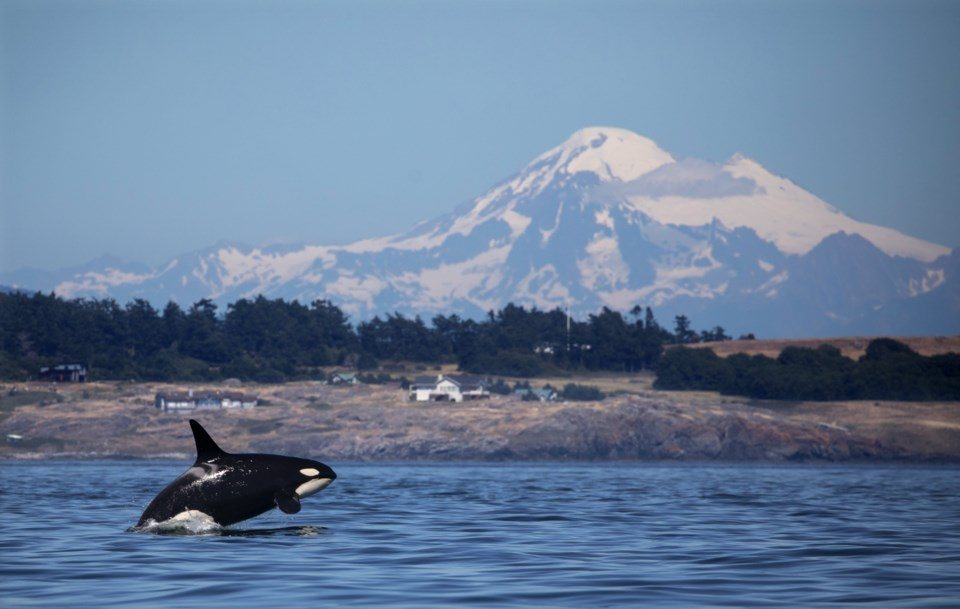
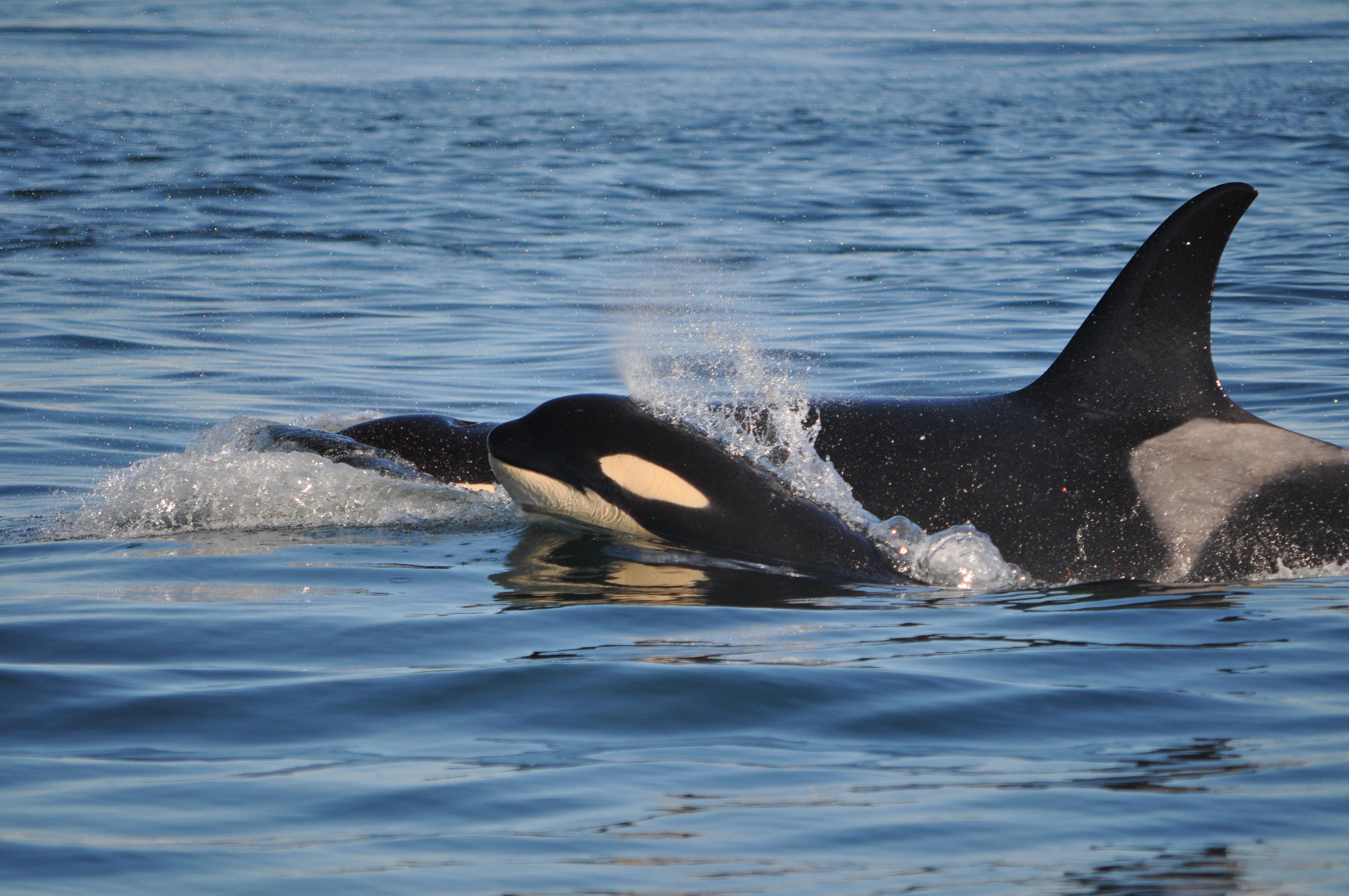
This region is home to transient and resident pods that frequent the deep waters of the Salish Sea. You may see these mammals hunting for salmon or marine mammals.
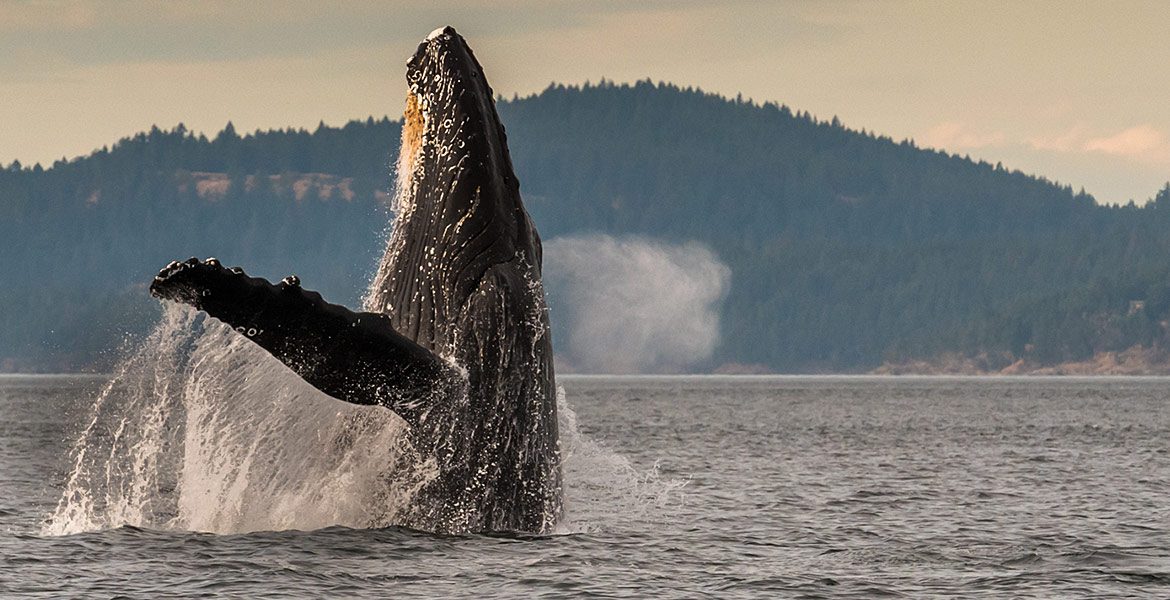
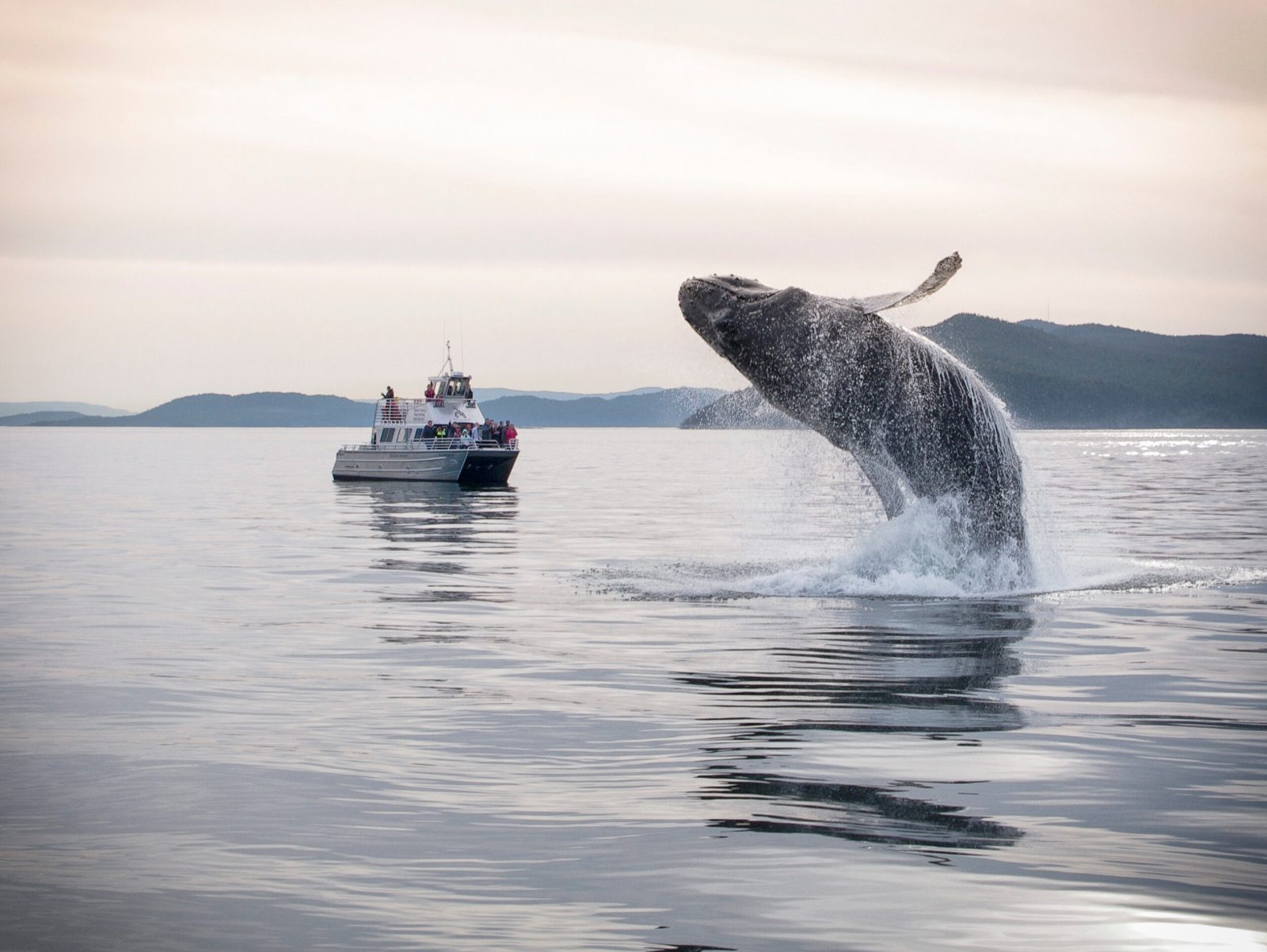
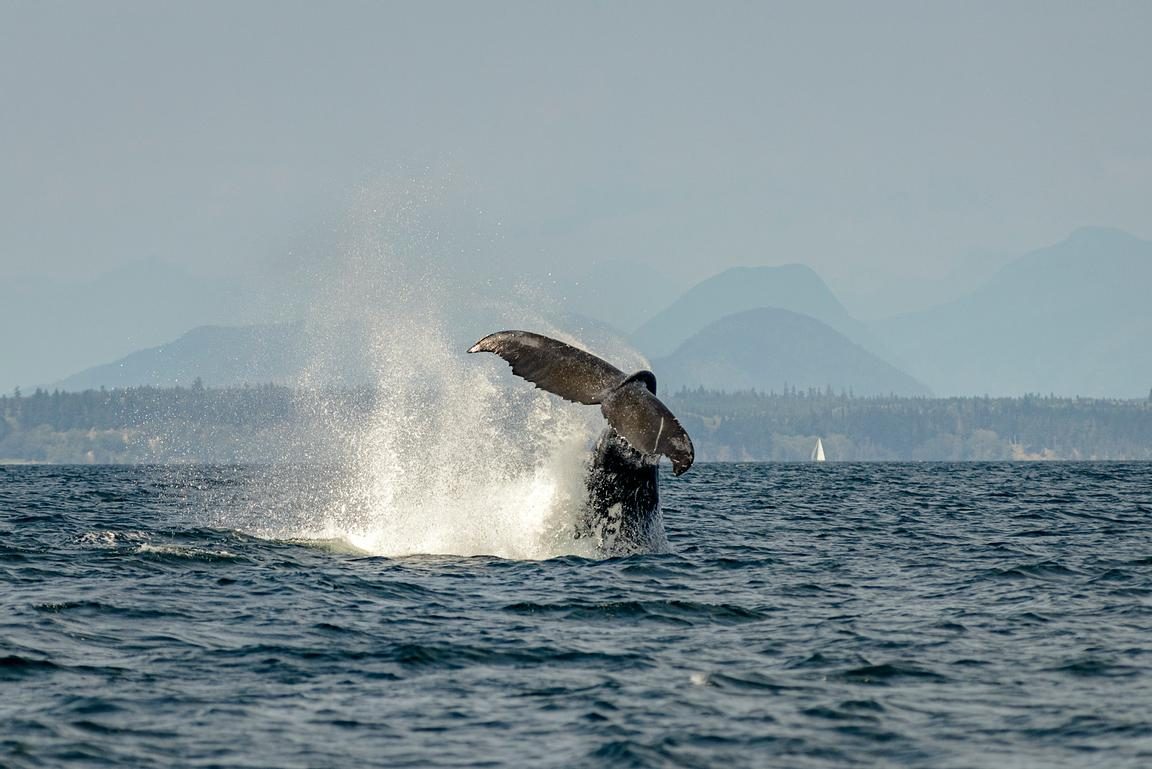
Humpback whales often congregate here during the peak summer months. These massive creatures can weigh up to 40 tons.
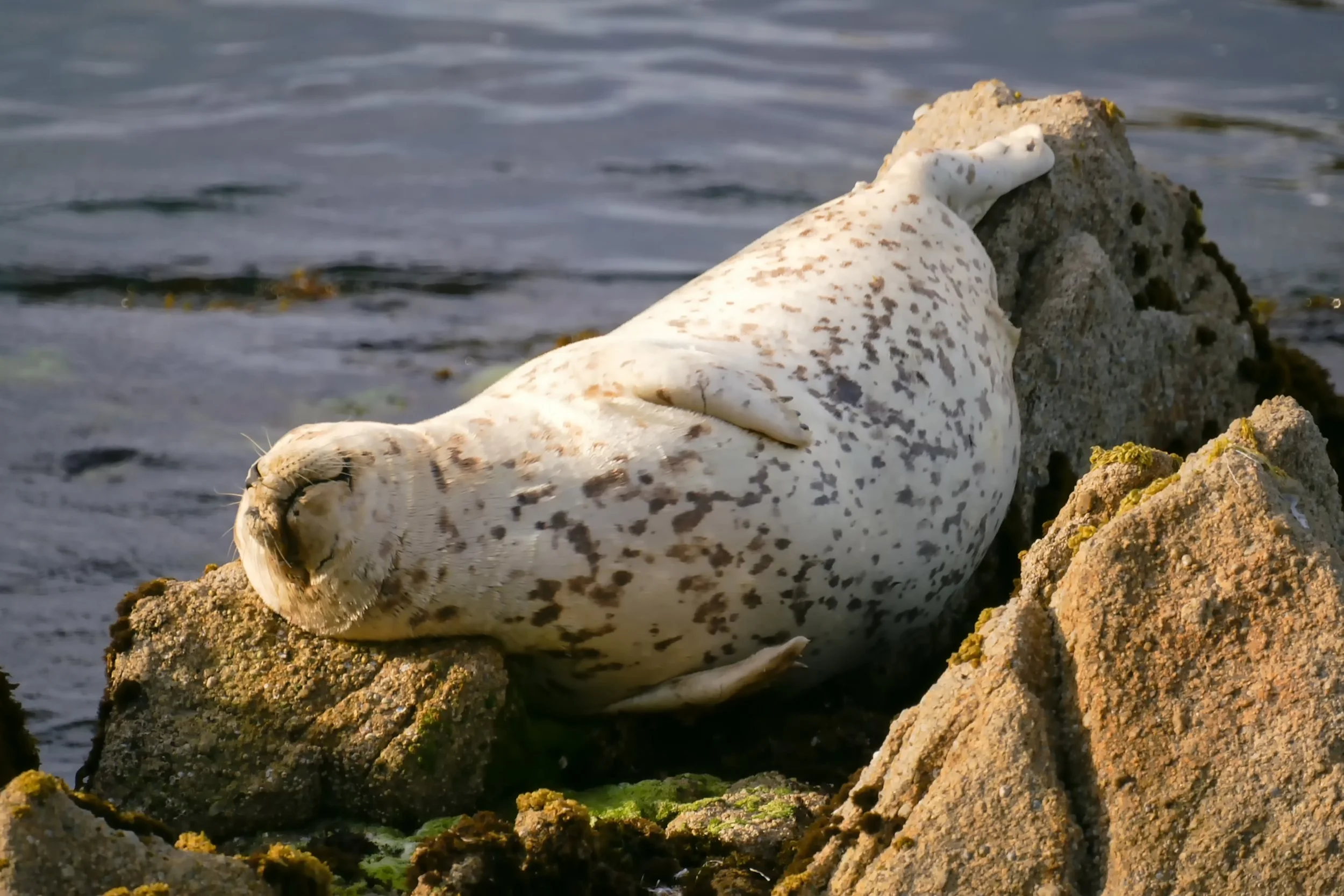
Small, curious harbor seals are frequently spotted resting on rocky outcrops near the shore. These animals often remain in the area year-round.
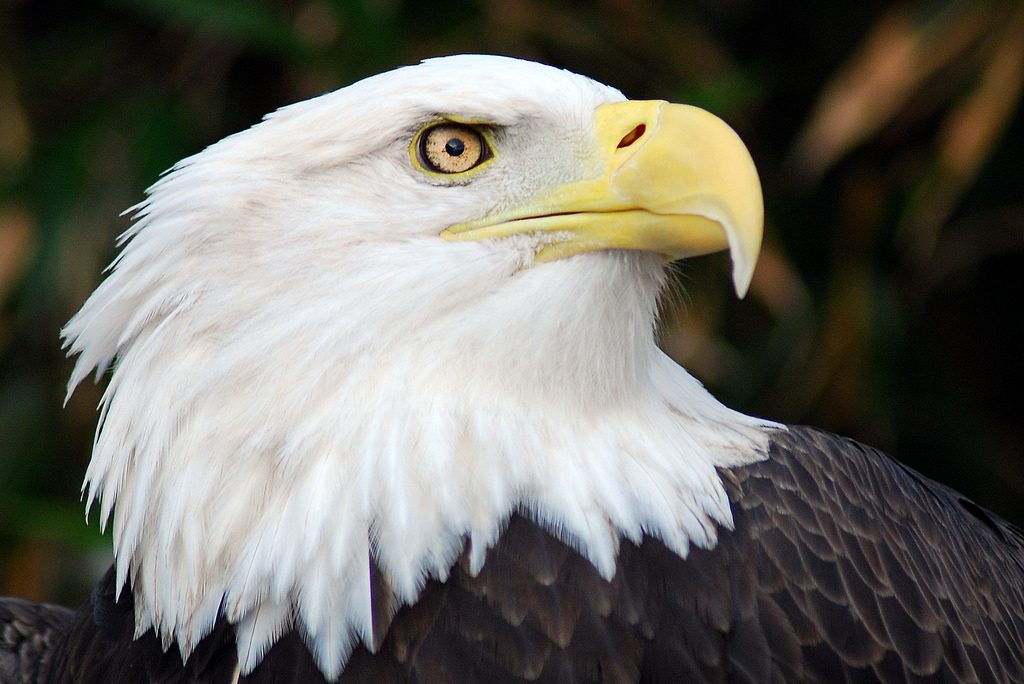
Towering evergreens along the coastline provide prime habitats for bald eagles. They are often seen scanning the water for fish.
The narrow channels between islands create tidal currents that concentrate marine life. Navigating these waters is a core part of the tour experience.
Every Orcas Island Whale Watching tour side-by-side — duration, what's included, how you redeem.
| Experience | Duration | Rating | Guide | Small group | Free cancel. | Price | |
|---|---|---|---|---|---|---|---|
|
Standard Entry Most popular
Vancouver Whale & Wildlife Watching Adventure
|
5 hr | ★ 4.8 | ✓ | — | ✓ | €160 | Book → |
|
Standard Entry
Anacortes Whale Watching Zodiac Adventure
|
3 hr 30 min | ★ 4.8 | ✓ | ✓ | ✓ | €129 | Book → |
|
Standard Entry
Orcas Island Whale & Orca Speedboat Adventure
|
3 hr 30 min | ★ 4.8 | — | — | ✓ | €103 | Book → |
All prices from verified partners. Availability and exact terms confirmed at checkout.
These two destinations complement each other; most visitors who do both call the Friday Harbor hub the more convenient choice for logistical ease, while the Orcas Island whale watching tour experience offers a more tranquil, nature-focused departure.
| Feature | Top pick Orcas Island | Friday Harbor (SJI) |
|---|---|---|
Departure location |
Rosario Harbor and West Beach | Friday Harbor ferry terminal |
Tour frequency |
Limited, daily departures | High, multiple daily sailings |
Wildlife proximity |
Highly variable | Consistently high access to Haro Strait |
Island accessibility |
Requires shuttle or vehicle | Walk-on ferry access available |
Port congestion |
Minimal, quiet docks | High, bustling ferry district |
Vessel types |
Cruisers and private charters | Diverse, including high-speed zodiacs |
| See tickets → |
Verdict: If securing orcas island whale watching tickets is your goal, choose Friday Harbor for maximum tour availability and direct transit access, or select Orcas Island for a quieter atmosphere near Moran State Park.
Choose your ticket, select your date, and reserve in under two minutes. Secure checkout handled by our verified partner.
Instant confirmation by email, with a mobile voucher you can save offline. No printing, no queuing at a collection desk.
Arrive at the entrance, show your voucher on your phone, and walk in. Most tickets include priority or skip-the-line access.
Practical details for Orcas Island Whale Watching tickets straight from our verified partners — hours, access, rules, and how to get there.
1608 Rosario Rd, Eastsound, WA 98245
Check signs for your specific boat operator
Open in Google MapsFollow Rosario Road directly to the harbor parking area.
Local island shuttles provide access to Eastsound.
Wear multiple layers including a windproof and waterproof jacket. Temperatures on the water are significantly lower than on land even in summer.
Keep personal items in a small, waterproof dry bag. Secure all loose belongings before the boat departs the dock.
Use a camera with a stabilized zoom lens for wildlife shots. Keep your equipment protected from sea spray at all times.
Access depends on tide levels and vessel design. Contact the operator in advance if you require assistance with boarding.
Mobile service is inconsistent while on the water. Ensure important calls are made while at Rosario Harbor.
Children are welcome on most vessels but must wear life vests provided by the crew. Check minimum age requirements with your chosen operator.
Most companies permit light snacks and non-alcoholic beverages on board. Bring plenty of water to stay hydrated during the journey.
Pets are generally not permitted on whale watching vessels due to wildlife safety regulations. Service animals should be cleared with the company prior to booking.
Wildlife sightings are not guaranteed as animals move freely throughout the Salish Sea. Respect all distance guidelines enforced by the captain.
1608 Rosario Rd, Eastsound, WA 98245
Check signs for your specific boat operator
Get directionsBest time to go, insider tips, nearby landmarks, and the cancellation fine print — flip through to skim what matters to you.
How crowds, weather, and events shift across the year.
April to May offers lower crowds and surfacing harbor seals. Temperatures remain cool requiring heavy jackets.
June to August is the prime season for orcas and humpbacks. Expect high demand for orcas island whale watching tickets.
September to October provides quieter waters and potential transient orca sightings. Variable weather is common.
Small details that turn a good visit into a great one.
Practice focusing your binoculars on distant floating objects before the boat leaves. This prepares you to track marine mammals quickly.
Bring more layers than you think are necessary for your orcas island whale watching trip. The wind chill factor increases significantly when the vessel is moving.
Reflections off the water intensity UV rays. Apply sunscreen even on cloudy days during your orcas island whale watching tour.
Reserve your orcas island whale watching tickets well in advance. Summer weekend slots fill up weeks before the travel date.
Follow all instructions from the captain regarding distance. Federal regulations protect whales from boat disturbance.
Non-bookable sights within a short walk — free to visit, easy to pair.
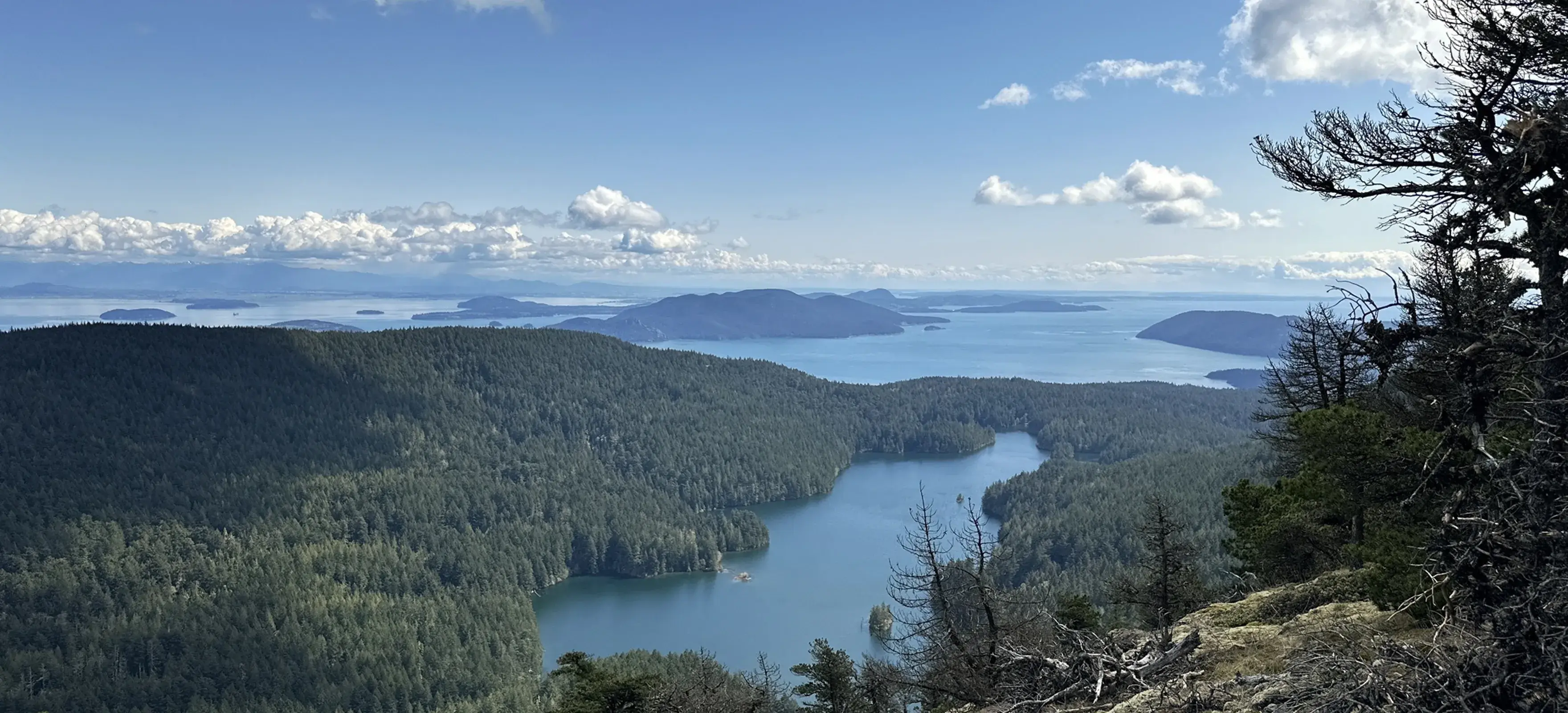
Features hiking trails and Mount Constitution views.
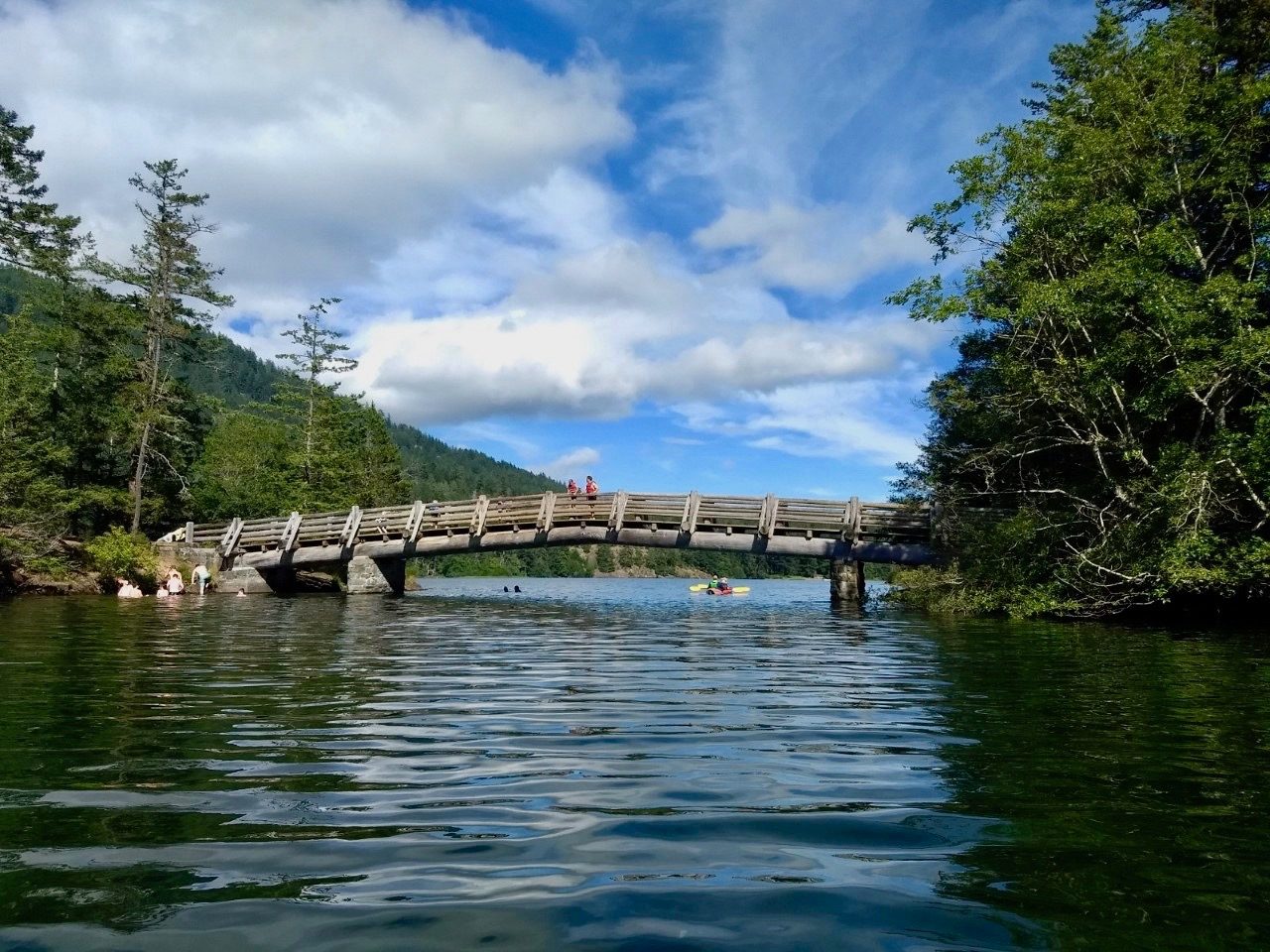
A freshwater lake popular for summer swimming.
The highest point in the San Juan Islands.
Historic property housing a dedicated museum.
Flexible, no hidden fees.
Operators typically require 24 to 48 hours notice for cancellations to receive a full refund. Note that the entrance fee is 0 USD, but specific whale watching tours are priced per operator and vary by company.
Hand-picked options within walking distance — pick a district for vibe, or a specific hotel for convenience.
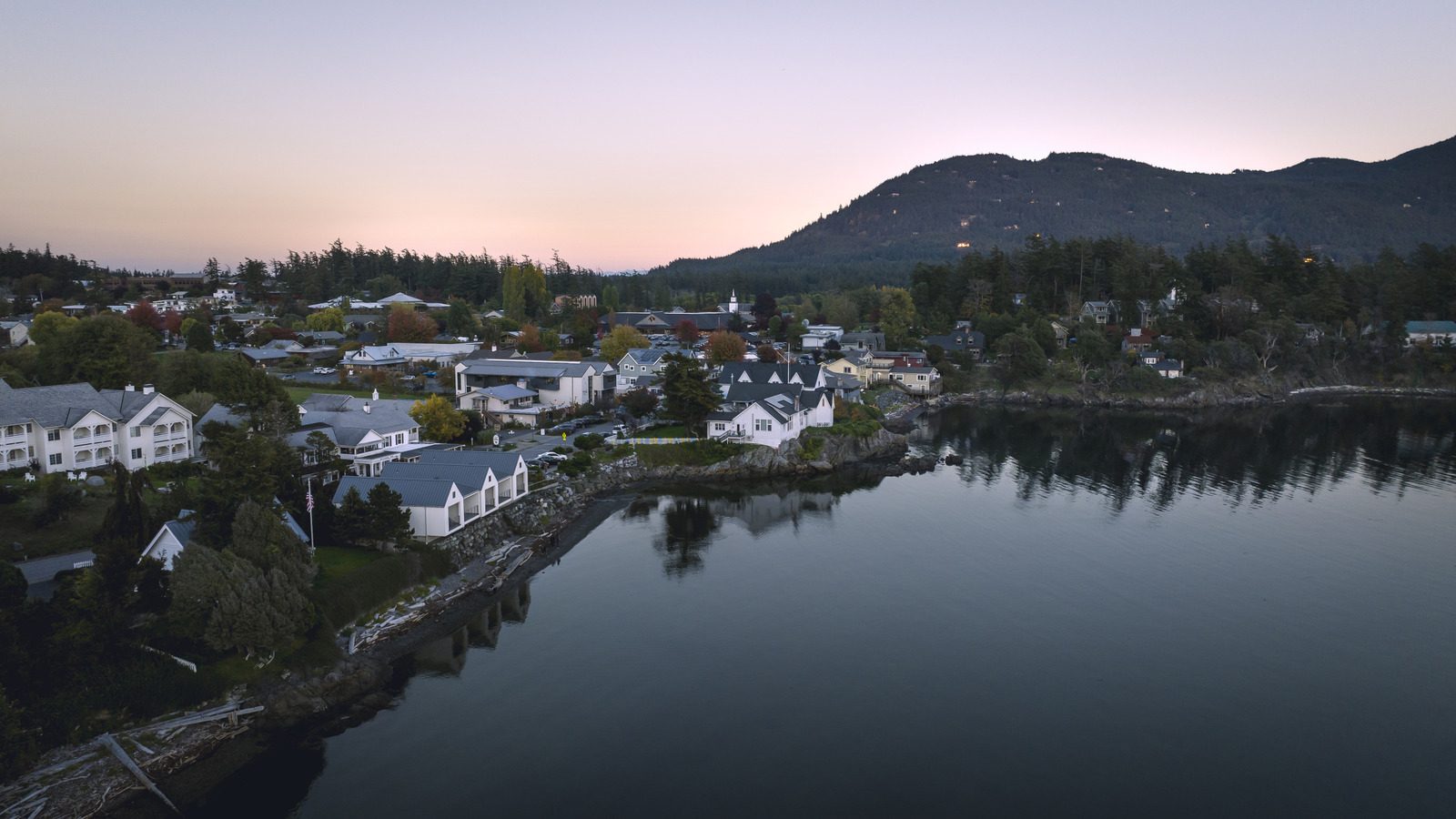
Historic waterfront hotel located at the harbor.
Central district with various inns and lodges.
State park sites available for outdoor enthusiasts.
The Southern Resident orca pods—J, K, and L—travel a migratory corridor that passes within fifteen nautical miles of Orcas Island's eastern shore, a concentration of Chinook salmon and swift tidal exchanges that has drawn these apex predators for millennia.
Commercial whale watching began here in the late 1970s, when a handful of converted fishing boats carried naturalists and photographers into Haro Strait. By the mid-1990s the San Juan archipelago had become the most reliably documented orca habitat in the contiguous United States, with photo-identification catalogs tracking individual whales across five decades. Today the resident population numbers fewer than seventy-five animals, a decline attributed to vessel traffic, prey depletion, and acoustic disturbance—factors that have placed the population on the federal endangered species list since 2005.
Orcas island whale watching tours operate under strict federal approach guidelines established by NOAA Fisheries: vessels must remain at least two hundred yards from any orca, cut engines when whales surface within four hundred yards, and limit on-water time near documented pods to thirty minutes. These regulations, revised in 2021, apply equally to motorized tour boats and sea kayaks. The restrictions have reshaped the industry—operators now emphasize gray whales, humpbacks, Dall's porpoises, harbor seals, and Steller sea lions, all of which frequent the Salish Sea in numbers that allow closer, longer encounters. Humpback sightings have surged since 2015, when seasonal feeding aggregations returned to the San Juan basin after an absence of more than a century.
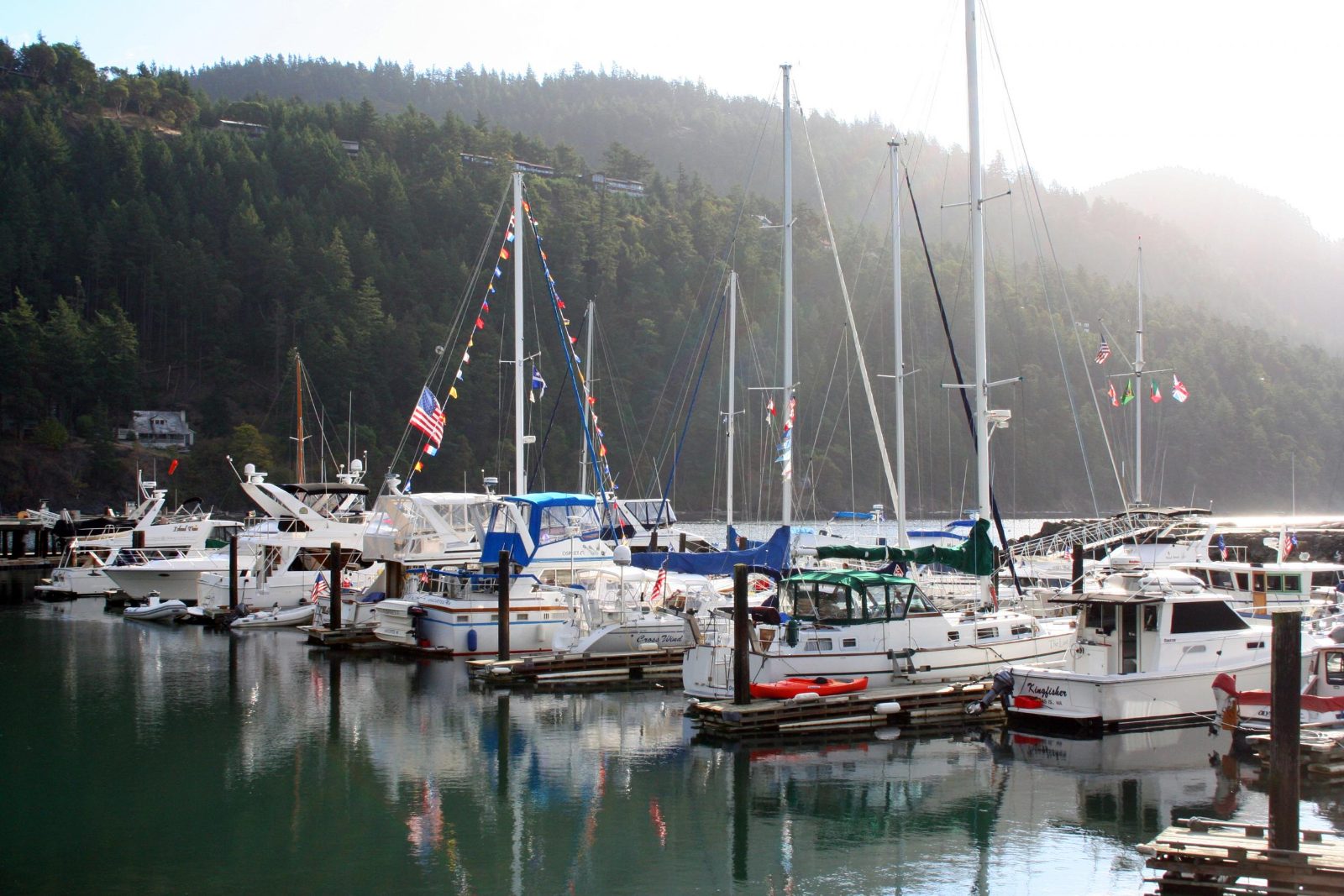
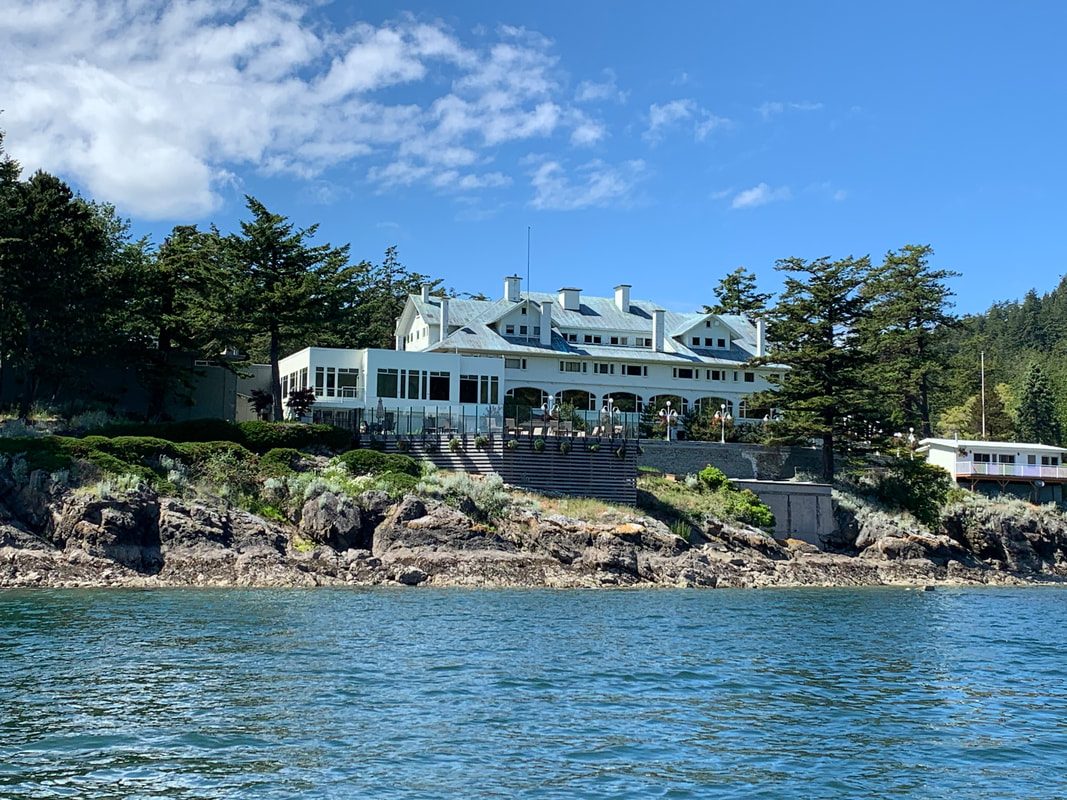
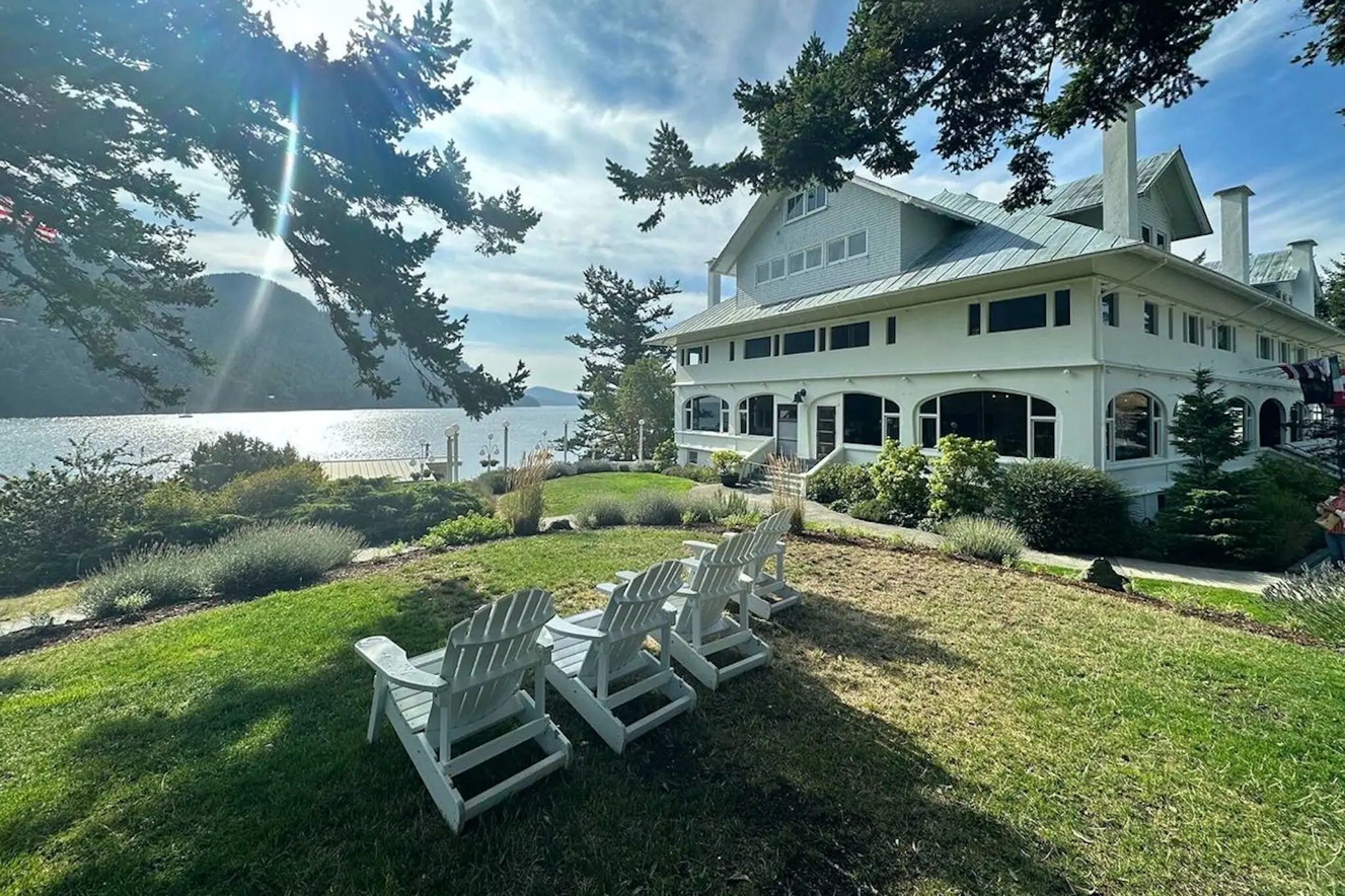
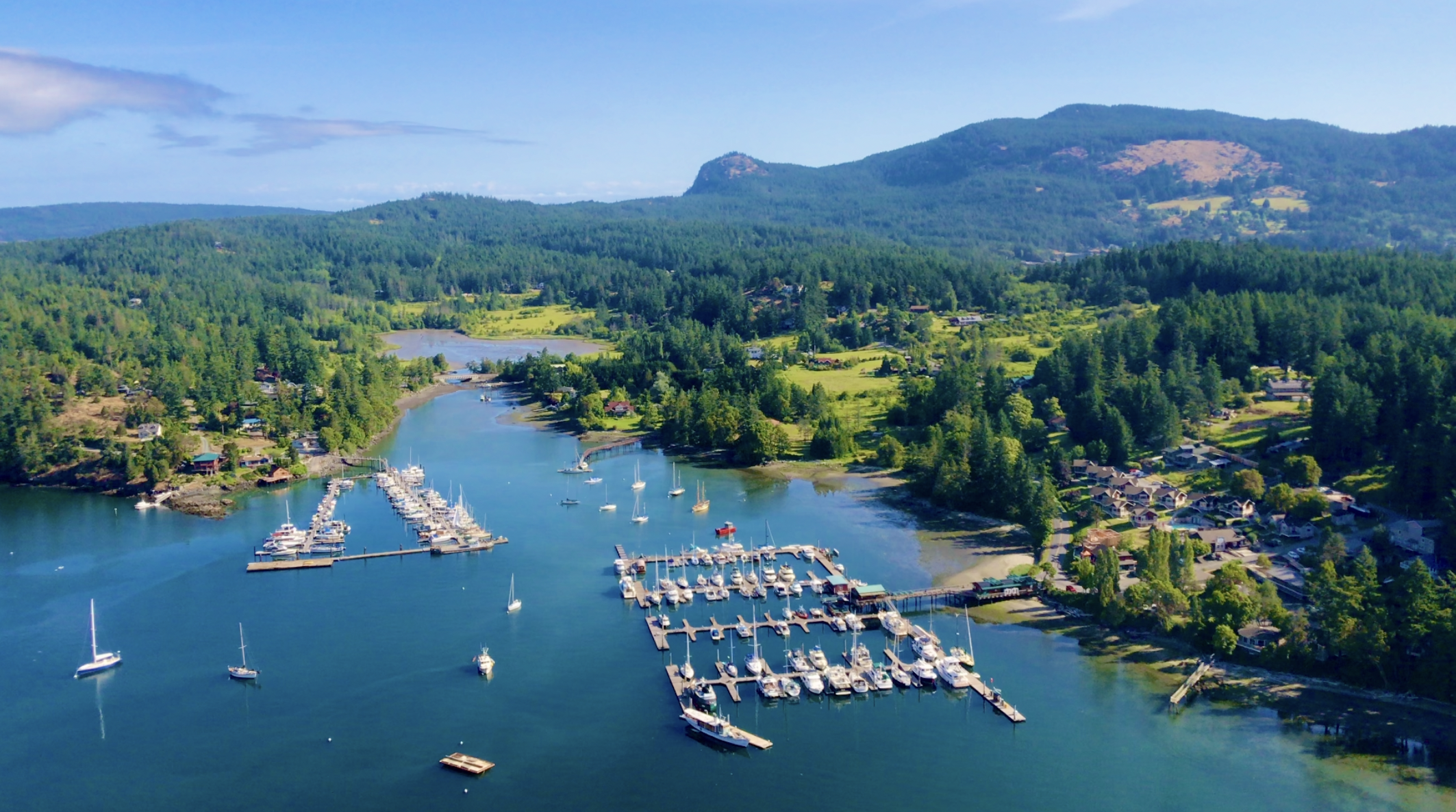
Rosario Harbor on the island's eastern flank serves as the primary departure point for most whale watching charters. The harbor lies adjacent to a historic resort built by shipbuilder Robert Moran in 1906, and the dock infrastructure dates to the same era. Most tours run three to four hours, departing between eight in the morning and early afternoon to coincide with peak tidal flow through the straits. Captains rely on a real-time radio network to share sighting coordinates, a practice that concentrates boats around active whale groups but also ensures that passengers aboard any vessel have comparable odds of an encounter. Orcas island whale watching from shore remains possible at Lime Kiln Point on neighboring San Juan Island, where a coastal trail and hydrophone array allow land-based observation, though Orcas Island itself offers no equivalent public vantage with reliable sightings.

"The Southern Resident orca pods travel a migratory corridor that passes within fifteen nautical miles of Orcas Island's eastern shore."
A step-by-step walkthrough of Orcas Island Whale Watching tickets — what you'll see, how long each stage takes, and the details that matter.
You board at Rosario Harbor shortly after eight, stepping from the weathered dock onto a forty-foot vessel with tiered seating and an open stern deck. The captain briefs the group on approach distances and asks passengers to move to the opposite rail if the boat lists during a sighting.
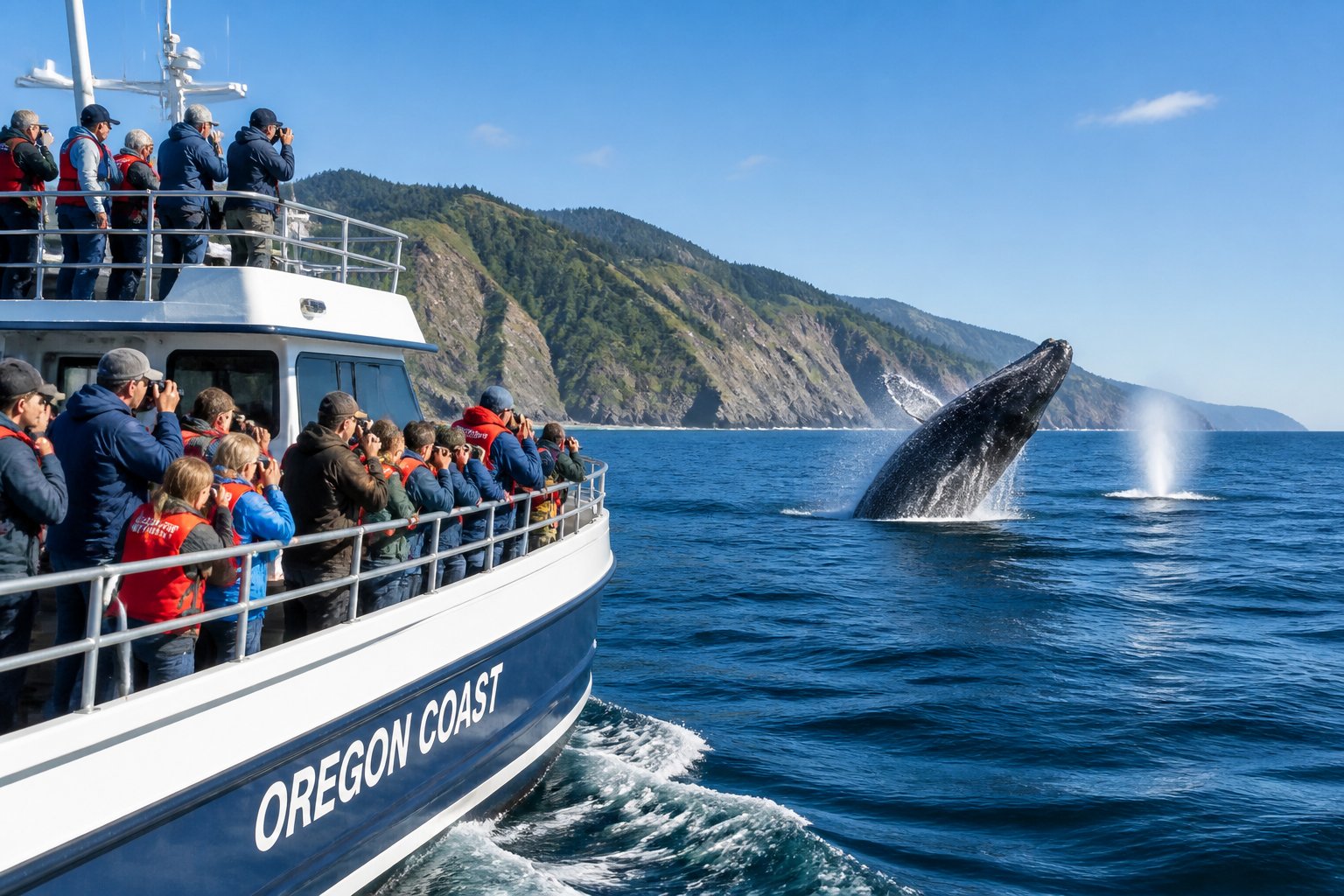
You motor northeast past Obstruction Pass, the forested humps of Blakely and Decatur islands low on the horizon. Fifteen minutes out the engine cuts to idle. A humpback surfaces two hundred yards to starboard, exhales a columnar spout, and rolls forward to show the trailing edge of its fluke—white scalloping distinct against black. You raise binoculars and watch the animal complete three more surfacing cycles before it sounds for a deeper dive.
The boat continues north into Boundary Pass. Harbor seals cluster on a kelp-draped reef; a bald eagle lifts from a driftwood snag. The naturalist points out Patos Island Light and explains the seasonal Chinook migration that draws orcas into these channels. Near the Canadian line a pod of Dall's porpoises overtakes the bow, their bodies flashing white and gray as they crisscross the wake. You scan the middle distance—dark dorsal fins, spray, the sleek arc of a surfacing back—and the radio crackles with coordinates from another boat three miles west.
Operators are open Monday through Sunday from 08:00–18:00.
The entrance fee is 0 USD for the general harbor area, though individual tour prices vary.
We recommend an arrival window of 08:00–14:00 to maximize your experience.
Photography is encouraged, though you should protect your equipment from salt water.
You should purchase your orcas island whale watching tickets directly through official operator sites.
Wear waterproof layers and warm clothing, as temperatures are lower on the water.
Yes, small snacks and water are permitted on most boats.
Please contact your specific operator at Rosario Harbor to discuss vessel boarding requirements.
Children are generally allowed, but you should confirm age limits with your chosen company.
Most operators provide a refund or reschedule for cancellations based on their individual company policy.